I may earn a commission at no extra cost to you. #ad
Maximizing ROI: A Free Guide to Selecting and Maintaining High-Performance ASIC Hardware
Jump to Section
Return on Investment (ROI) is the ultimate metric for any cryptocurrency miner. In the high-stakes world of ASIC (Application-Specific Integrated Circuit) mining, the difference between a profitable venture and a costly mistake often boils down to two factors: the hardware you select and how well you maintain it. As network difficulty increases and block rewards undergo halving events, staying ahead of the curve requires a professional approach to hardware management.
The Critical Selection Criteria for ASIC Hardware
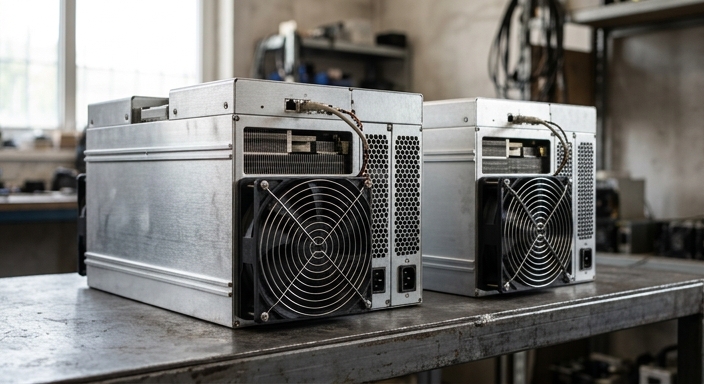
Selecting an ASIC is not as simple as buying the machine with the highest hashrate. To maximize ROI, you must look at the efficiency ratio, typically measured in Watts per Terahash (W/TH). A machine that produces 100 TH/s but consumes 3400W may be less profitable over time than a 90 TH/s machine that only consumes 2800W, especially in regions with high electricity costs.
When evaluating hardware, consider the following manufacturers which have historically led the market:
- Bitmain (Antminer Series): Known for high efficiency and widespread parts availability.
- MicroBT (Whatsminer Series): Famous for durability and stable performance under varying temperatures.
- Canaan (Avalon Series): Often provides a more accessible entry price point with reliable mid-range performance.
Understanding the ROI Calculation Formula
To calculate your "break-even" point, you must move beyond online calculators and understand the underlying variables. The basic formula for ROI includes:
(Hardware Cost + Shipping + Infrastructure) / (Daily Revenue - Daily Power Cost) = Days to ROI
However, this is a static formula. A professional miner also accounts for Network Difficulty Growth. As more miners join the network, your share of the rewards decreases. We recommend factoring in a 3-5% monthly increase in difficulty when projecting long-term returns. Furthermore, always keep an eye on the next "Halving" event, which will cut your revenue in half overnight unless the price of the underlying asset doubles.
Optimization via Environmental Setup
The environment where your ASIC lives significantly impacts its efficiency and lifespan. ASICs generate an immense amount of heat; if this heat isn't managed, the chips will "thermal throttle," reducing your hashrate to protect the hardware.
Proper airflow involves a clear distinction between the "Cold Isle" (intake) and the "Hot Isle" (exhaust). Utilizing shroud kits and ducting to pull hot air directly out of the building can lower chip temperatures by as much as 10°C, leading to more stable hashrates and reduced fan power consumption.
Professional Maintenance Routines for Longevity
An ASIC is a precision instrument designed to run 24/7. Dust is the silent killer of mining profitability. It acts as an insulator on the hashboards and can lead to "hot spots" that eventually fry hashboard chips.
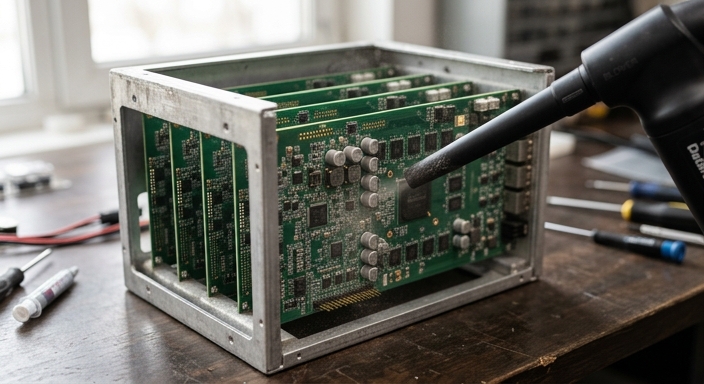
A standard maintenance schedule should include:
- Monthly Visual Inspections: Check for dust buildup on the intake fans and any signs of cable discoloration (which indicates overheating).
- Quarterly Deep Cleans: Use compressed air or specialized electric blowers to clear dust from between the heatsinks.
- Annual Thermal Paste Replacement: For those comfortable with hardware, replacing the factory thermal paste on older machines can significantly improve heat transfer.
Leveraging Custom Firmware for Performance Gains
Stock firmware is designed to be "safe" for the manufacturer, but it’s often not optimized for your specific electricity cost. Third-party firmwares like Braiins DNA or LuxOS allow for Autotuning. These programs tune each individual chip on your hashboards to find its "sweet spot"—maximizing hashrate while minimizing power draw.
Furthermore, custom firmware often provides better protection against viruses and "man-in-the-middle" attacks that can redirect your hashrate to a hacker's wallet. Always ensure you are downloading firmware from reputable, verified sources.
Frequently Asked Questions
With proper maintenance and a clean environment, an ASIC can last 3 to 5 years. However, its "economic life" may end sooner if newer, more efficient hardware makes it unprofitable to run.
Buying used can significantly shorten your time to ROI due to lower upfront costs. However, you must verify the hashboard health and check for signs of corrosion or "pitting" on the chips before purchasing.
Higher ambient temperatures require the ASIC fans to spin faster, consuming more electricity and increasing the risk of thermal throttling. Every degree you can shave off the intake air helps your bottom line.